
Ignite Creative Confidence with Microlearning Sprints

Welcome! Today we dive into Microlearning Sprints for Creative Confidence—rapid, focused bursts that shrink overwhelm, spark momentum, and turn small daily wins into powerful self-belief. Expect science-backed tips, playful drills, heartfelt stories, and simple systems built to help you ship ideas consistently without fear. Whether you write, sketch, teach, or build products, these tiny practices grow courage through action, inviting you to experiment publicly, reflect openly, and celebrate progress far more than perfection while discovering how five intentional minutes can change the course of a day.
Start Small, Grow Bold
Discover why starting with five minutes matters more than waiting for inspiration. Drawing on cognitive load theory, the spacing effect, and retrieval practice, we’ll explore how brief, high-frequency effort strengthens memory, reduces procrastination, and creates a compounding loop of visible wins. When resistance drops, courage rises, and consistent action becomes easier than avoidance, gently rewiring identity toward someone who shows up, creates, and shares.

Designing Five-Minute Bursts That Stick
Effective bursts combine clarity, boundaries, and closure. We’ll outline how to name a tiny outcome, choose one constraint, and end with a visible artifact or reflection. This structure removes ambiguity, limits options, and preserves energy. Repeated regularly, it builds reliability, accelerating skill while protecting joy, curiosity, and sustainable pace.
Writers’ Lightning Drills
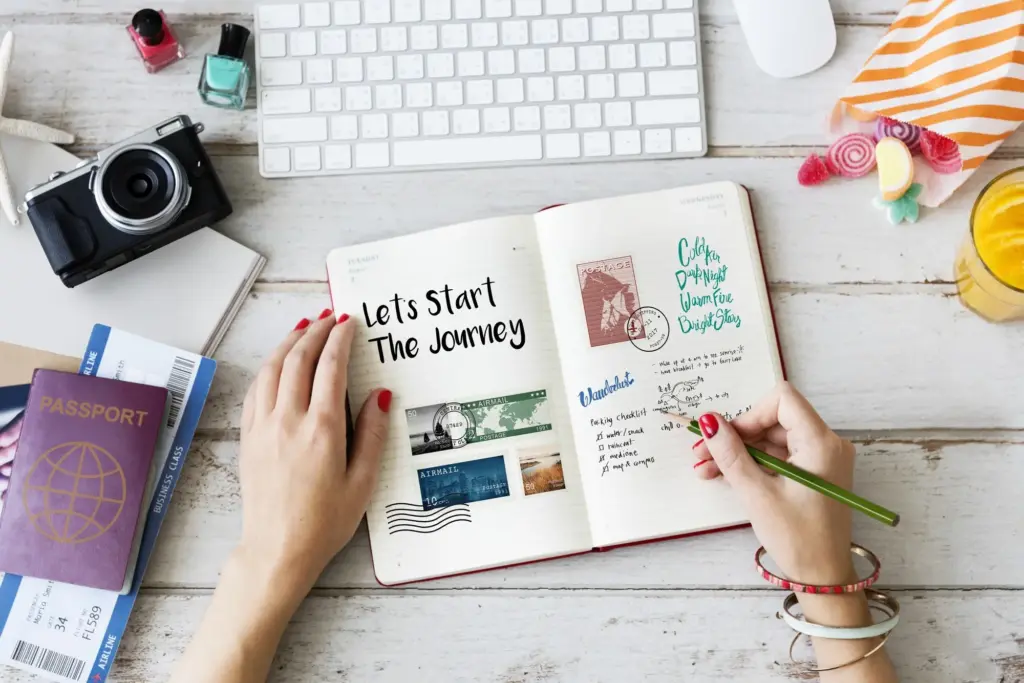
Use timed freewrites, headline rewrites, or metaphor hunts on a bus ride or while waiting in line. Five concentrated minutes can surface fresh angles, tighten language, and reveal voice. Capture raw notes unapologetically, then harvest gold later. Small piles of words grow into drafts that finally get finished.
Sketcher’s Speed Studies

Carry a tiny notebook and chase shapes, shadows, or letterforms. Limit yourself to thirty lines per study, exploring proportion without overthinking. Photograph interesting textures for later reference. After days of quick snapshots, your hand steadies, observation sharpens, and complex pieces feel less intimidating because foundations are already rehearsed.
Inventor’s Idea Ladders
Practice problem reframing in micro-steps: list a user frustration, write five wild alternatives, then choose one to storyboard crudely. The point is speed, not polish. Rapid divergence followed by playful convergence primes curiosity, exposes assumptions, and seeds prototypes you can try tomorrow with minimal risk and maximum learning.
Lightweight Systems That Support Flow
Systems should feel like wind at your back, not homework. Organize prompts, timers, and capture tools so starting is instant and recovery effortless. With simple dashboards, reusable templates, and gentle reminders, you create an environment where creative effort feels supported, visible, and repeatable without sacrificing spontaneity or personal style.
From Hesitant to Published
A copywriter afraid of blank pages started with daily headline rewrites, five minutes only. After thirty days, she accumulated sixty options, noticed patterns, and pitched three favorites. One campaign shipped, then another. Her pride wasn’t louder bravado—just steady proof she could start, iterate, and finish under gentle constraints.
Classroom Sparks at Recess
A middle-school art teacher replaced long demos with micro-draw challenges between classes. Students loved the pace, swapped tips, and displayed tiny wins proudly. Grades improved, yes, but more importantly, shy kids volunteered to share. Confidence spread through playful repetition, and the room felt safer for bold, imperfect exploration.
A Founder Finds Focus
An early-stage founder split ideation into five-minute loops: articulate a customer frustration, sketch a no-code flow, jot one metric. The ritual exposed distractions and clarified priorities. Investors noticed sharper storytelling, teammates saw calmer leadership, and experiments shipped faster because decisions emerged from repeated, lightweight evidence rather than guesswork.
Beating Perfection with Play
Perfectionism whispers that nothing is ready; play replies by starting anyway. By emphasizing curiosity, movement, and reversible steps, you replace paralyzing standards with experiments that teach. We’ll explore rituals that welcome mistakes, frame feedback as fuel, and make creative risk feel safe, energizing, and surprisingly enjoyable to repeat.
Make It Ridiculously Easy
Lower the bar until showing up feels inevitable: one thumbnail, one paragraph, one loop. Pair effort with a comforting ritual—tea, a playlist, a walk afterward. When the requirement is small and the reward immediate, resistance fades, and modest beginnings open doors to unexpectedly meaningful outcomes.
Celebrate the Unfinished
Host a weekly show-and-tell of drafts, not finals. Name what’s working, identify one next step, and archive progress publicly. Normalizing incompleteness removes shame and accelerates learning. When unfinished work earns applause, you’ll volunteer more often, building courage that carries into launches, pitches, and larger, riskier projects with grace.
Share Your Next Five Minutes
Post a snapshot, a sentence, or a sketch in the comments and describe the tiny constraint you chose. Mention what surprised you, what felt sticky, and one change you’ll try tomorrow. Public reflection strengthens memory, inspires peers, and anchors your growing identity as someone who creates consistently.
Subscribe for Fresh Prompts
Get a weekly packet of sprint ideas, printable cards, and mini case studies delivered to your inbox. We’ll keep them lightweight, practical, and joyful, tailored to varied disciplines and schedules. Regular nudges prevent ruts, refresh curiosity, and make it easier to begin again, even on complicated days.